
Understanding the Varied Painting Needs for Different Spaces
Painting is one of the most effective ways to transform a space. However, when it comes to painting different areas, it’s important to understand the unique needs of interior and exterior surfaces. Each has its own set of challenges and requirements. Choosing the right paint can make all the difference in protecting your walls and keeping them looking fresh for longer. This guide will help you identify the key differences so you can make informed decisions.
The Fundamental Purpose Behind Different Paint Types
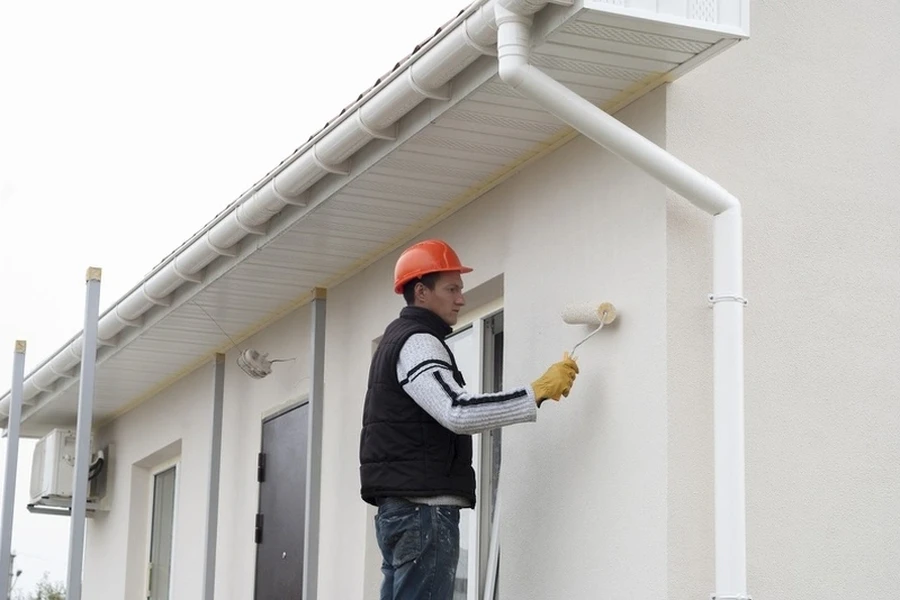
Interior paints are designed mainly for aesthetics and durability inside the home. These paints focus on being easy to clean and maintaining color over time. On the other hand, exterior painting requires paints that can withstand weather elements such as rain, wind, and UV rays. The choice of paint affects how long-lasting and efficient your paint job will be.
Material Composition and Longevity
The materials used in interior paints differ from those in exterior painting. Interior paints typically have fewer chemicals since they don’t need to resist harsh weather conditions. They’re also less prone to fading. Exterior paints contain more robust resins, which aid in sticking to rough surfaces better and protect against moisture and temperature changes. Knowing these differences helps you select the right product for each area.
Environmental Impact Considerations
Choosing environmentally friendly options is crucial today. Interior paints often come with low or zero volatile organic compounds (VOCs) to ensure indoor air quality. Meanwhile, exterior paints focus on resisting mold and mildew while still offering eco-friendly solutions where possible. Understanding these aspects allows you to choose products that benefit both your environment and health.
Application Techniques for Optimal Results
Applying paint effectively varies between interiors and exteriors. For indoor surfaces, techniques aim at smooth finishes free from brush marks. It’s about creating an inviting atmosphere. Conversely, outdoor applications require thicker coats for protection, often needing specialized brushes or rollers that can handle uneven surfaces like brick or stucco.
- Use low-VOC paints indoors for healthier air.
- Select weather-resistant materials for outdoor use.
- Apply thicker coats on exteriors for added protection.
- Utilize specialized tools for textured external surfaces.
Cost Implications to Consider
Understanding cost differences between interior and exterior work is essential. Interior jobs usually involve smaller quantities of higher-quality paint aimed at aesthetic appeal and ease of maintenance. Exterior painting tends to be more expensive due to additional layers needed for protection against natural elements. Factoring in these costs ensures proper budget planning.
Expert Tips and Recommendations
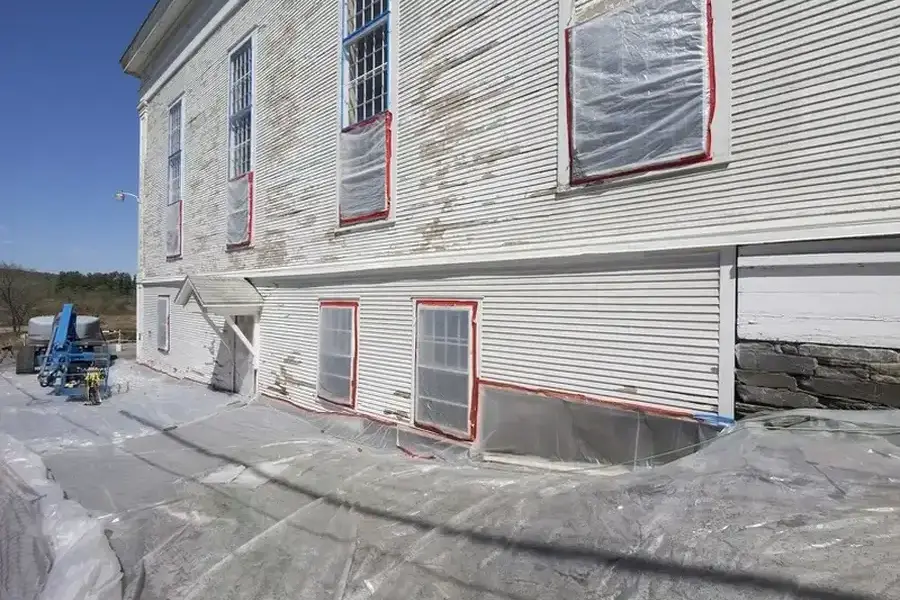
Experts suggest keeping a few best practices in mind when undertaking any painting project. For interiors, ensure walls are primed correctly to enhance paint adherence. Also, opt for brighter colors in spaces lacking natural light. For exteriors, begin with pressure washing surfaces to remove dirt and grime before painting. This preparation significantly improves the longevity of the paint.
- Prime indoor walls thoroughly.
- Choose bright colors for darker rooms.
- Pressure wash external walls before painting.
- Ensure even coverage by using quality tools.
Reliable Services Tailored to Your Needs
If you’re ready to start transforming your space, contact us at (626) 706-3267 for expert advice and services tailored specifically to your needs. Located in Rosemead, CA, our team provides quality-focused solutions that stand the test of time. At M Lucar Painting Partnership, we specialize in understanding your unique requirements to deliver exceptional results every time.